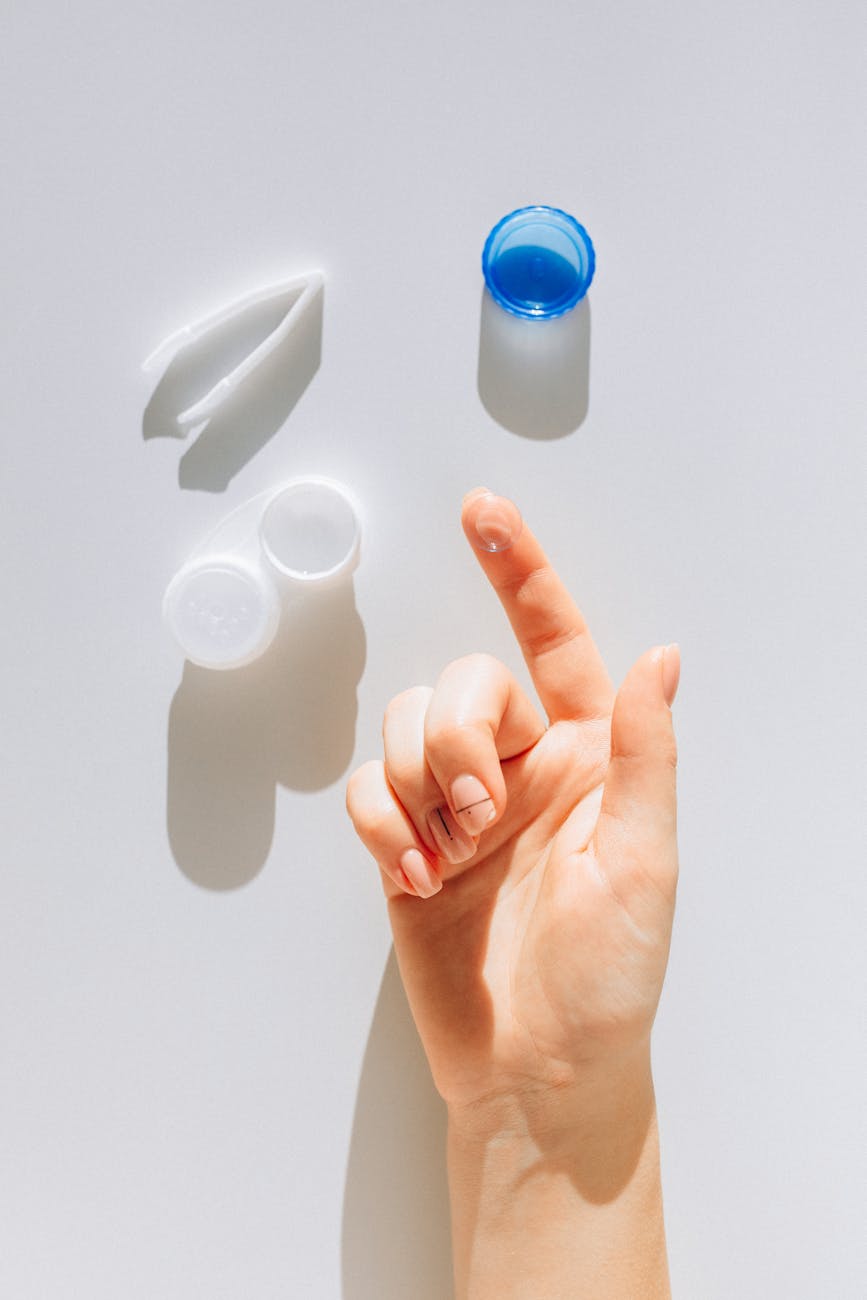
Types of Contact Lenses

Types of Contact Lenses

Contact Lenses Are Medical Devices, Not One-Size-Fits-All

Dr. Ackerson often compares contact lenses to shoes: just because a size 9 fits one person, it doesn’t mean it’s the right fit for everyone. Every eye is unique in terms of shape, surface sensitivity, and tear film composition. A successful contact lens experience isn’t just about the prescription power; it’s about the lens material’s oxygen permeability, the lens curvature, and how well it integrates with your specific lifestyle.

Types of Contact Lenses

Modern contact lens technology has advanced significantly, allowing us to fit patients who previously struggled with comfort or clarity. Common options include:

  • Daily Disposable Lenses: These are widely considered the gold standard for eye health. You wear a fresh, sterile lens every day and discard it at night. This significantly reduces the risk of infection and protein buildup, as there is no need for cleaning solutions or case storage.
  • Toric Lenses (For Astigmatism): If you have astigmatism, your eye is shaped more like a football than a basketball. Toric lenses are specially engineered to remain stable on your eye, providing crisp, clear vision for this specific corneal shape.
  • Multifocal Lenses: Designed for patients with presbyopia (the need for reading glasses), these lenses allow you to see clearly at distance, intermediate, and near ranges—all in the same lens.
  • Dry-Eye-Friendly Materials: Not all lenses are created equal when it comes to hydration. We prioritize advanced materials that are designed to retain moisture and breathe better, which is crucial for maintaining comfort in our arid Utah climate.
  • Specialty Lenses: For patients with irregular corneas, post-surgical needs, or severe dry eye, we offer specialty fits, including rigid gas permeable (RGP) or scleral lenses, which can provide vision when standard soft lenses fail.

The Try-Before-You-Buy Fitting Process

At Ackerson EyeCare, we don’t just order a box of contacts based on your prescription. We utilize an independent fitting process that gives you access to all major manufacturers, including Acuvue, Alcon, Bausch + Lomb, and CooperVision. This is vital because if one brand doesn’t work for your eye shape or tear chemistry, we have the flexibility to switch brands or designs until we achieve the perfect balance of vision and comfort. You will always test your lenses in a clinical setting to ensure they are correct before you commit to a full supply.

Adapting to the Utah Climate

Living at high altitude in a dry climate creates unique challenges for contact lens wearers. The low humidity causes the tear film to evaporate faster, which can make lenses feel dry or blurry by the end of the day. If your current contacts are irritating you, it may not be that you can’t wear contacts—it may simply be that you are in the wrong material for our specific environment.

If your contacts dry out, blur, or irritate your eyes before your day is over, schedule a contact lens evaluation. Modern lens technology may offer a much more comfortable solution than what you’ve worn in the past.

Contact Lenses Are Medical Devices, Not One-Size-Fits-All

Dr. Ackerson often compares contact lenses to shoes: just because a size 9 fits one person, it doesn’t mean it’s the right fit for everyone. Every eye is unique in terms of shape, surface sensitivity, and tear film composition. A successful contact lens experience isn’t just about the prescription power; it’s about the lens material’s oxygen permeability, the lens curvature, and how well it integrates with your specific lifestyle.

Types of Contact Lenses

Modern contact lens technology has advanced significantly, allowing us to fit patients who previously struggled with comfort or clarity. Common options include:

  • Daily Disposable Lenses: These are widely considered the gold standard for eye health. You wear a fresh, sterile lens every day and discard it at night. This significantly reduces the risk of infection and protein buildup, as there is no need for cleaning solutions or case storage.
  • Toric Lenses (For Astigmatism): If you have astigmatism, your eye is shaped more like a football than a basketball. Toric lenses are specially engineered to remain stable on your eye, providing crisp, clear vision for this specific corneal shape.
  • Multifocal Lenses: Designed for patients with presbyopia (the need for reading glasses), these lenses allow you to see clearly at distance, intermediate, and near ranges—all in the same lens.
  • Dry-Eye-Friendly Materials: Not all lenses are created equal when it comes to hydration. We prioritize advanced materials that are designed to retain moisture and breathe better, which is crucial for maintaining comfort in our arid Utah climate.
  • Specialty Lenses: For patients with irregular corneas, post-surgical needs, or severe dry eye, we offer specialty fits, including rigid gas permeable (RGP) or scleral lenses, which can provide vision when standard soft lenses fail.

The Try-Before-You-Buy Fitting Process

At Ackerson EyeCare, we don’t just order a box of contacts based on your prescription. We utilize an independent fitting process that gives you access to all major manufacturers, including Acuvue, Alcon, Bausch + Lomb, and CooperVision. This is vital because if one brand doesn’t work for your eye shape or tear chemistry, we have the flexibility to switch brands or designs until we achieve the perfect balance of vision and comfort. You will always test your lenses in a clinical setting to ensure they are correct before you commit to a full supply.

Adapting to the Utah Climate

Living at high altitude in a dry climate creates unique challenges for contact lens wearers. The low humidity causes the tear film to evaporate faster, which can make lenses feel dry or blurry by the end of the day. If your current contacts are irritating you, it may not be that you can’t wear contacts—it may simply be that you are in the wrong material for our specific environment.

If your contacts dry out, blur, or irritate your eyes before your day is over, schedule a contact lens evaluation. Modern lens technology may offer a much more comfortable solution than what you’ve worn in the past.

Discover more from

Subscribe now to keep reading and get access to the full archive.

Continue reading