Cataract Resource Center: Understanding Symptoms and Surgical Care

Cataract Resource Center: Understanding Symptoms and Surgical Care

Understanding Cataracts

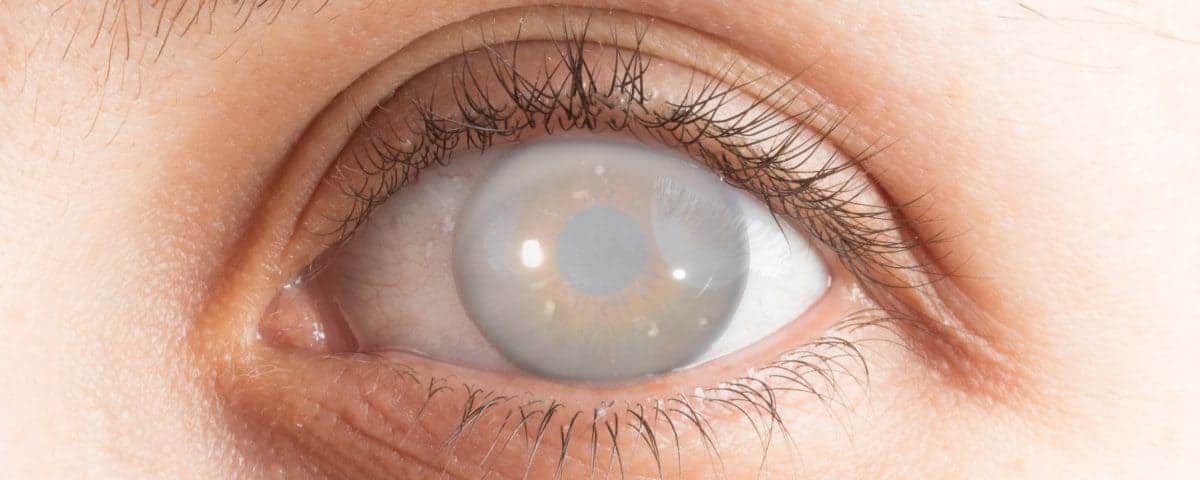
A cataract is the internal clouding of the eye’s natural, internal lens. As we age, the lens naturally stiffens and becomes opaque, much like a window fogging up over time. While this process is a normal part of aging, it can be accelerated by factors like UV exposure, diabetes, or certain medications.

A cataract is not a film on the surface of the eye. If you notice a white appearance across the entire colored part of an eye, this is more likely a serious medical emergency like a chemical burn rather than a standard cataract.

Common Signs of Cataracts

Cataracts don’t cause pain, but they do cause a gradual decrease in quality of life:

  • Cloudy or Blurry Vision: As if looking through a dirty camera lens.
  • Increased Glare: Seeing halos or starbursts around headlights and streetlights at night.
  • Faded Colors: The world may start to look yellowish or washed out.
  • Frequent Prescription Changes: Needing stronger or more frequent updates to your glasses.
  • Difficulty Reading: A reduced ability to see fine detail, especially in lower light.

When Is Surgery Needed?

A cataract diagnosis is not an immediate command for surgery. Early-stage cataracts are often manageable with updated glasses, improved lighting, or glare-control coatings. We monitor the progression of your lens clouding during your routine exams.

Surgery is typically considered only when the cataract reaches a point where it significantly interferes with your ability to perform daily tasks, such as driving safely at night, reading comfortably, working, or enjoying hobbies. If your vision is becoming blurry, colors appear faded, or glare from lights is becoming problematic, it’s time to discuss your goals with Dr. Ackerson.

The Surgical Process and Lens Options

Cataract surgery is a precise, common, and highly successful outpatient procedure. During the surgery, your cloudy natural lens is gently removed and replaced with a clear, synthetic intraocular lens (IOL).

You have several choices for your lens implant:

  • Standard Lens Implants: Provide clear vision at a single focal point (usually distance).
  • Astigmatism-Correcting Lenses (Toric): Specifically designed to reduce or eliminate astigmatism, providing clearer vision without glasses.
  • Multifocal & Extended-Range Implants: Designed to reduce dependence on reading glasses by providing focus at multiple ranges (distance, intermediate, and near).
  • Refractive Lens Exchange (RLE) Options: Advanced lenses designed for those looking to maximize spectacle independence.

Co-Management & Accessibility

Ackerson EyeCare works closely with you through the entire cataract journey. We monitor the lens clouding, help you understand the latest lens implant options, provide referrals to trusted surgeons, and handle your local follow-up care.

We are committed to providing comprehensive accessibility for all patients. Our facility features dedicated handicap parking, wheelchair-accessible bathrooms, and full wheelchair access throughout the office, including our exam rooms. If you find yourself struggling with glare or blurry vision, ask us whether cataracts are the reason.

Understanding Cataracts

A cataract is the internal clouding of the eye’s natural, internal lens. As we age, the lens naturally stiffens and becomes opaque, much like a window fogging up over time. While this process is a normal part of aging, it can be accelerated by factors like UV exposure, diabetes, or certain medications.

A cataract is not a film on the surface of the eye. If you notice a white appearance across the entire colored part of an eye, this is more likely a serious medical emergency like a chemical burn rather than a standard cataract.

Common Signs of Cataracts

Cataracts don’t cause pain, but they do cause a gradual decrease in quality of life:

  • Cloudy or Blurry Vision: As if looking through a dirty camera lens.
  • Increased Glare: Seeing halos or starbursts around headlights and streetlights at night.
  • Faded Colors: The world may start to look yellowish or washed out.
  • Frequent Prescription Changes: Needing stronger or more frequent updates to your glasses.
  • Difficulty Reading: A reduced ability to see fine detail, especially in lower light.

When Is Surgery Needed?

A cataract diagnosis is not an immediate command for surgery. Early-stage cataracts are often manageable with updated glasses, improved lighting, or glare-control coatings. We monitor the progression of your lens clouding during your routine exams.

Surgery is typically considered only when the cataract reaches a point where it significantly interferes with your ability to perform daily tasks, such as driving safely at night, reading comfortably, working, or enjoying hobbies. If your vision is becoming blurry, colors appear faded, or glare from lights is becoming problematic, it’s time to discuss your goals with Dr. Ackerson.

The Surgical Process and Lens Options

Cataract surgery is a precise, common, and highly successful outpatient procedure. During the surgery, your cloudy natural lens is gently removed and replaced with a clear, synthetic intraocular lens (IOL).

You have several choices for your lens implant:

  • Standard Lens Implants: Provide clear vision at a single focal point (usually distance).
  • Astigmatism-Correcting Lenses (Toric): Specifically designed to reduce or eliminate astigmatism, providing clearer vision without glasses.
  • Multifocal & Extended-Range Implants: Designed to reduce dependence on reading glasses by providing focus at multiple ranges (distance, intermediate, and near).
  • Refractive Lens Exchange (RLE) Options: Advanced lenses designed for those looking to maximize spectacle independence.

Co-Management & Accessibility

Ackerson EyeCare works closely with you through the entire cataract journey. We monitor the lens clouding, help you understand the latest lens implant options, provide referrals to trusted surgeons, and handle your local follow-up care.

We are committed to providing comprehensive accessibility for all patients. Our facility features dedicated handicap parking, wheelchair-accessible bathrooms, and full wheelchair access throughout the office, including our exam rooms. If you find yourself struggling with glare or blurry vision, ask us whether cataracts are the reason.

Discover more from

Subscribe now to keep reading and get access to the full archive.

Continue reading